Boots and Shoe Skating Part
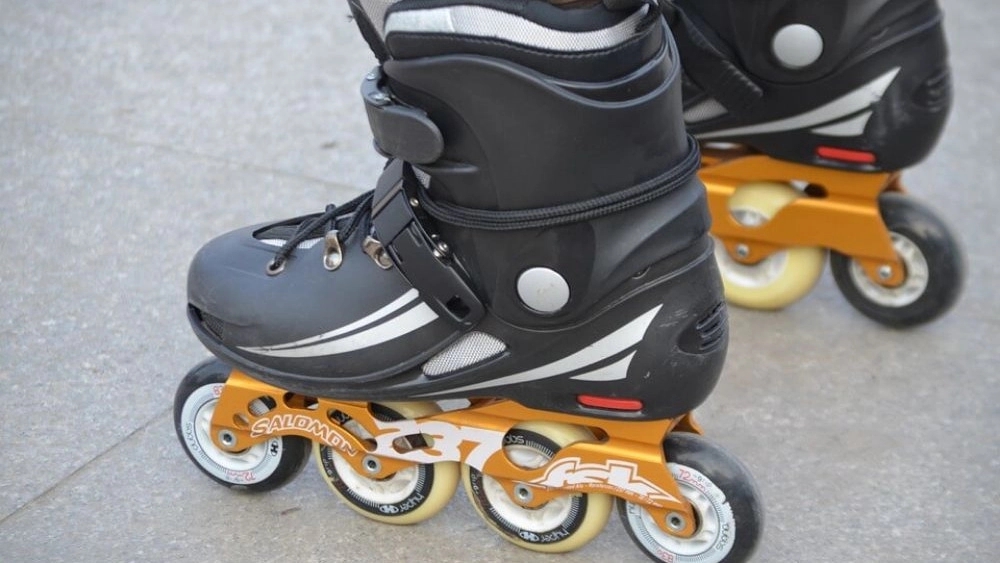
There are two types of skate shoes in the market, soft and hard. Note that this sport puts a lot of friction on the shoes and the material of this part should be quite resistant. When buying skate shoes, put pressure on the sides of the shoe and make sure that it does not slip easily, because after a while, the shoe will tilt due to the foot movements and skating techniques. The tip part of the shoe is exposed to shocks when falling and must have significant resistance.
gender and amount of skate socks
The skate sock is in contact with the plastic part of the skate to protect the leg. These socks must have a significant thickness, which is fully observed in high-quality skates. If these socks do not cover the leg well, the skin of that area will get sore and lead to injury to the leg.
Frame or Skate Blade
The material of this part is both metal and plastic. The important point of this part is that it is well connected to the skate shoes. There are two blades that are located on the bottom of the boot, they should not be too close to each other when opening the wheels.
Materials of Skate Wheels
The material of the skate wheels should not be hard and dry in any way because it puts pressure on your knees and vertebrae during exercise and leads to injury. You can easily check the smoothness and stiffness of the skate wheels by putting pressure on the wheels. Of course, skates with hard wheels are less common in the market.
Skate Wheels
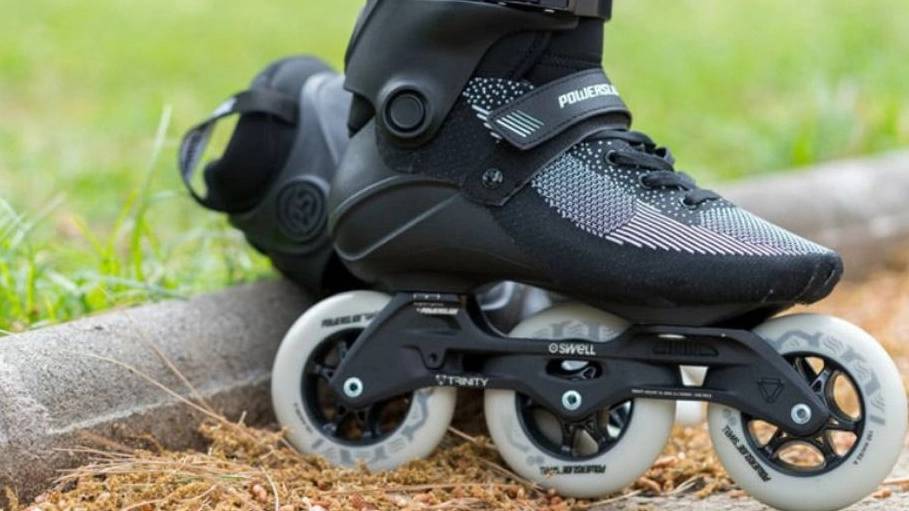
The size of skate wheels is different for children and adults, beginners and professionals. If you have just started this sport, the diameter of the wheels should be less than 80 mm.
bearings
The ease of movement of the wheels plays an important role in performing the movements and speed of skating. They show the speed of the bearings with ABEC. For beginners, it is better to get ABEC5 and ABEC7 speeds. ABEC9 and ABEC11 are for professionals and children and beginners should not use it.
size and weight of skating shoes
Skates can be resized up to 3 sizes larger. So, you don't need to buy a size bigger than their feet for your growing children. The weight of the skate should be proportional to your age and weight, because if it is heavier than you can handle, it will be difficult for you to perform movements and it will lead to falls and injuries.